
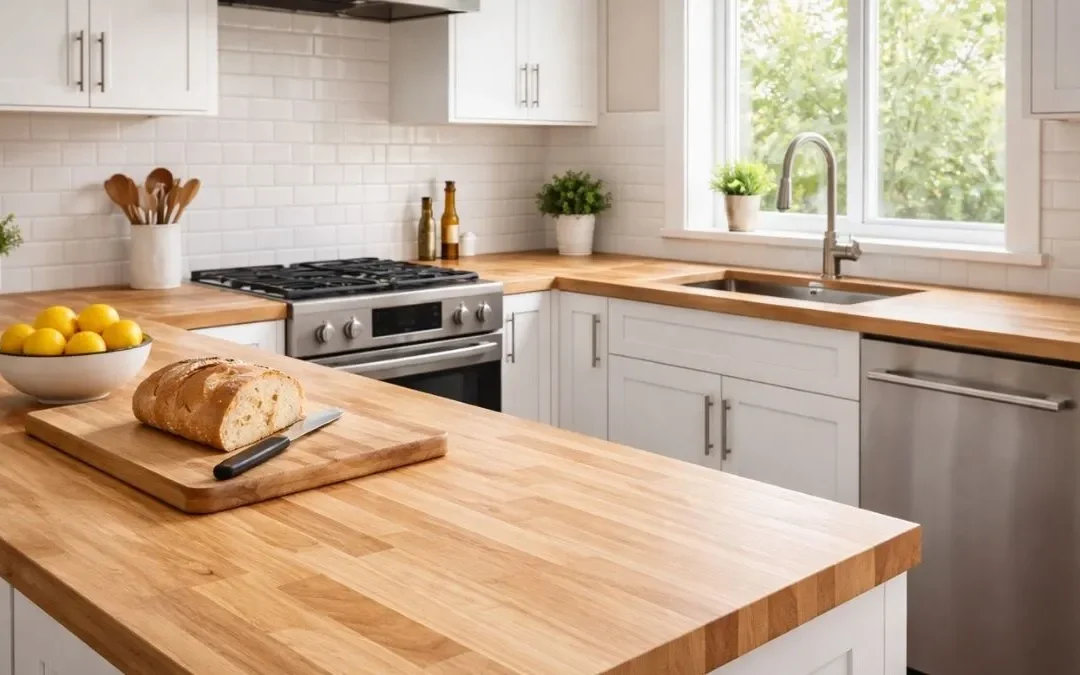
Choosing the right countertop is crucial for any kitchen remodel. Butcher block countertops are a popular choice for many homeowners. They offer a warm, natural look that enhances any kitchen style. Made from straight cuts of wood, they bring a touch of nature indoors.
Butcher block countertops are versatile and can be customized to fit your needs. They come in various wood types like maple, oak, and cherry. This allows you to match them with your kitchen’s color scheme and design.
One of the main benefits is their affordability. Compared to granite or quartz, butcher block is a cost-effective option. They can be sanded and refinished, extending their lifespan significantly.
However, they do require regular maintenance. Without proper care, they can suffer from scratches and water damage. Regular sealing is necessary to protect them from moisture and bacteria.
Despite these considerations, butcher block countertops remain a favorite. They offer a unique charm and warmth that other materials can’t match.
What Are Butcher Block Countertops?
Butcher block countertops are crafted from pieces of wood glued together. This process creates a sturdy and smooth surface. The wood is arranged in straight cuts, which gives a consistent grain pattern.
They are made from a variety of wood species. Common choices include maple, oak, cherry, and walnut. Each wood type offers unique colors and grain patterns, adding character to your kitchen.
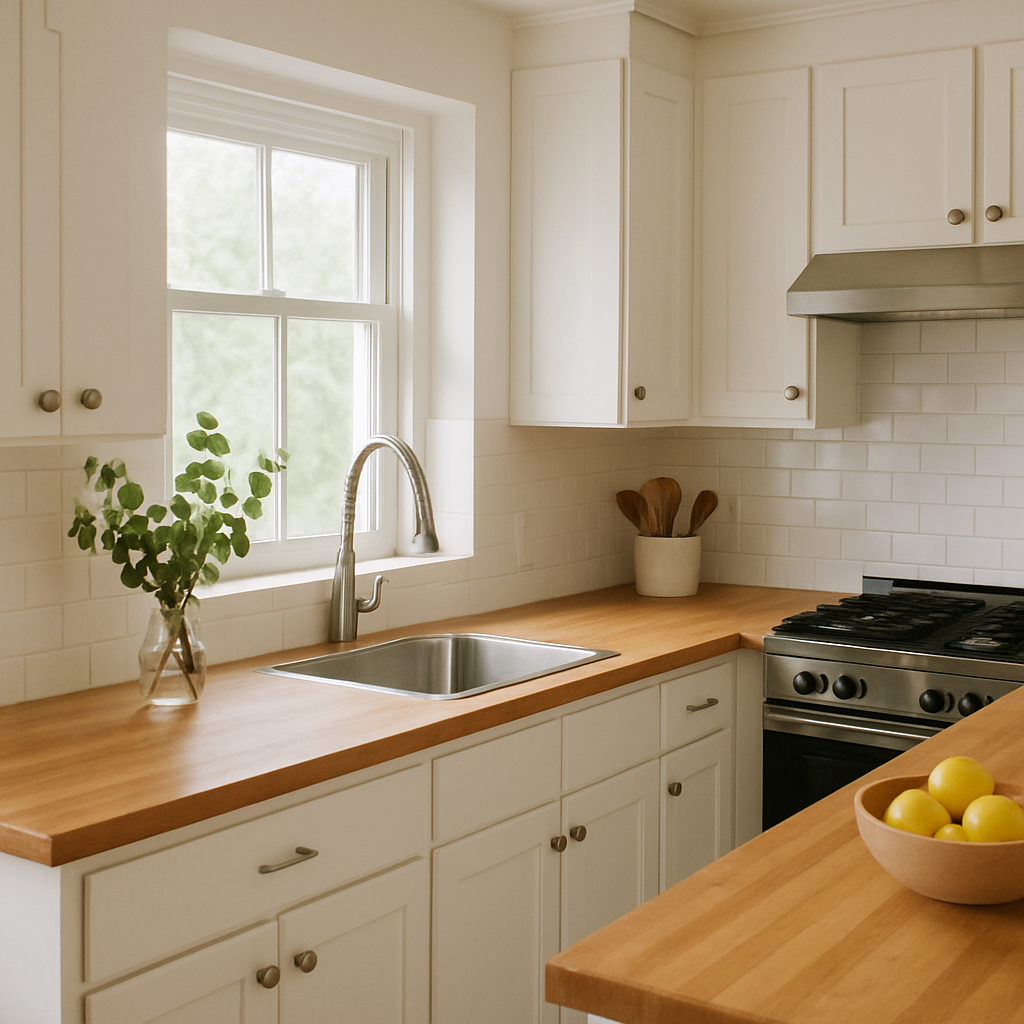
Butcher block countertops offer a warm, inviting look. This natural aesthetic suits both modern and traditional kitchens. They are often chosen for their tactile, welcoming surface, perfect for a kitchen workspace.
These countertops can be integrated into any kitchen design. They work well as an island butcher block or a full countertop. Options include:
- Edge grain
- End grain
- Blended grain
Each type has its distinct appearance, enhancing kitchen decor. Whether you opt for a classic edge grain or a unique end grain, butcher blocks deliver style and functionality.
Types of Butcher Block Countertops and Popular Uses
Butcher block countertops come in several distinct styles. Each style has unique features and is suited for different applications. Understanding these can help you choose the best option for your kitchen.
Edge grain countertops are one of the most common types. They consist of long wood planks glued with their edges facing up. This makes them durable and ideal for general use.
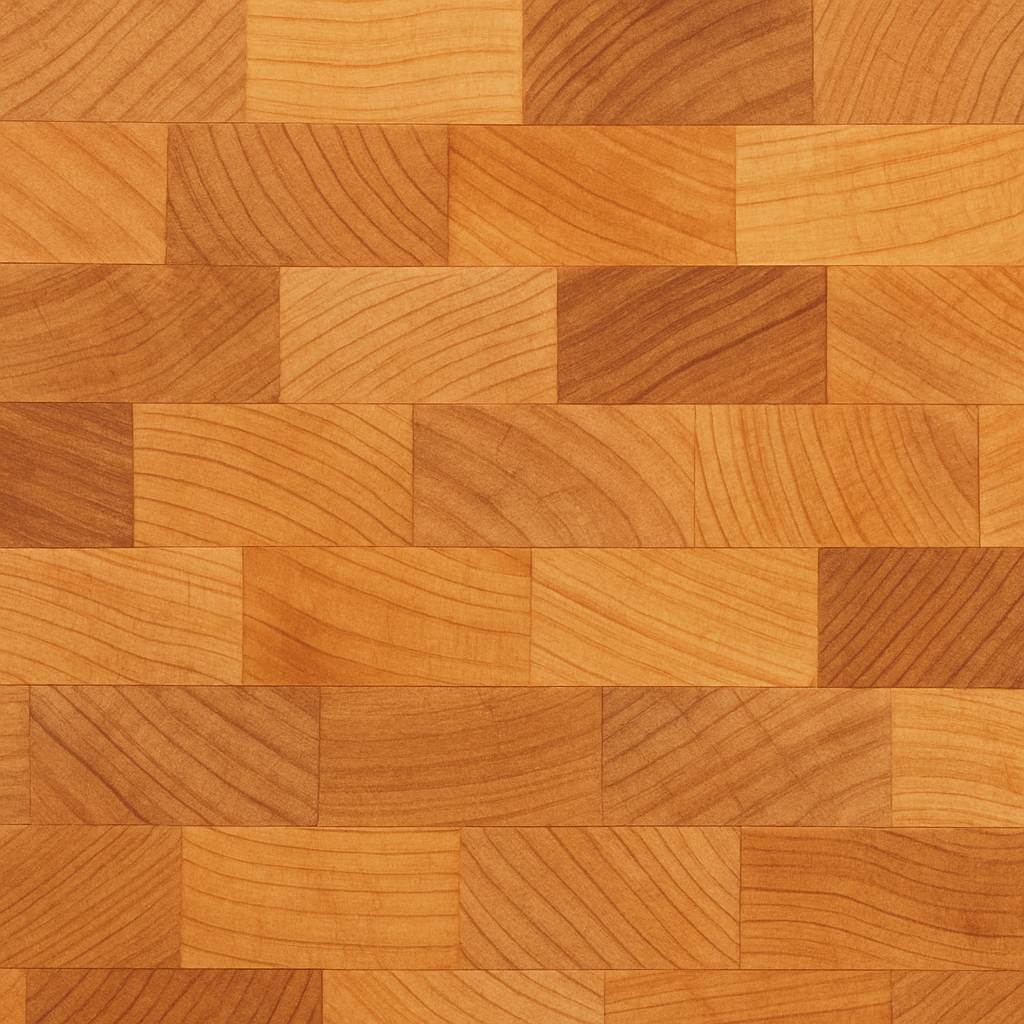
End grain countertops are known for their checkerboard appearance. They are made from small blocks of wood. This style is prized for its resistance to knife marks, making it a favorite for cutting surfaces.
Blended grain countertops combine edge and end grain pieces. This creates a unique and varied visual texture. Blended grain tops are great for those seeking a distinctive look.
Butcher block countertops suit many home styles. From rustic to contemporary designs, they offer flexibility. Here are some popular uses:
- Kitchen countertops
- Island butcher block tops
- Wooden kitchen island tops
These countertops are versatile. They add warmth and charm to any kitchen, whether it’s a farmhouse or a modern design. Customizing with stains or paints can match them to your specific decor theme.
The Benefits of Choosing Butcher Block Countertops
One of the biggest draws of butcher block countertops is their natural appeal. They bring warmth and charm, unmatched by synthetic materials. This quality makes them a preferred choice for various kitchen designs.
These countertops are available in different wood types. Each type has its characteristics, adding to the kitchen’s aesthetic. Maple, oak, and cherry are popular options, offering durability and visual appeal.
A significant benefit is their affordability. Butcher block countertops cost less than granite or quartz. This makes them a budget-friendly option for many homeowners.
They also offer the advantage of easy maintenance. Scratches and marks can be sanded away, renewing their smooth surface. With proper care, butcher blocks can last a lifetime.
Butcher blocks are versatile in use. They are ideal for kitchen islands, providing an inviting workspace. Furthermore, their adaptability enhances both functionality and style.
Eco-friendliness is another advantage. Butcher block countertops can be made from sustainably sourced wood. Choosing this material supports environmentally conscious choices.
Customization options abound with butcher blocks. They can be cut and finished to match your specific needs. Thickness, edge style, and stain are customizable, offering greater design flexibility.
The tactile quality of wood offers a pleasant workspace. It provides a soft yet sturdy surface, enhancing the kitchen experience. This quality is especially appreciated by those who enjoy cooking.
Butcher block’s aesthetic appeal can increase home value. A well-maintained countertop can be a significant selling point. It adds to the overall attractiveness of a property.
For a kitchen that’s both functional and beautiful, butcher block countertops are a superb choice. They’re a blend of nature and practicality, catering to diverse needs.
Benefits at a Glance:
- Natural warmth
- Customizable options
- Eco-friendly
Popular Wood Types:
- Maple
- Oak
- Cherry
Drawbacks and Considerations: The Cons of Butcher Block Countertops
Despite their appeal, butcher block countertops have some drawbacks. They require regular maintenance to keep their appearance intact. Neglect can lead to undesirable wear.
Water damage is a significant concern. Butcher blocks are prone to absorb moisture if not sealed properly. This can result in swelling and warping over time.
Scratches and dents are inevitable with use. Although they can be sanded out, frequent refinishing may become a chore. It’s essential to consider the ongoing effort required.
Staining is another issue. Butcher blocks easily absorb spills, which can cause discoloration. Prompt cleaning is crucial to prevent permanent marks.
Heat resistance is limited in butcher blocks. Placing hot pans directly on them can scorch the surface. Using trivets or pot holders is necessary to prevent this damage.
Hygiene can be a concern with wooden surfaces. Without proper sealing, bacteria could become a problem in the porous wood. Regular cleaning and sealing are essential for safety.
The initial cost can vary based on wood type and customization. Some may find this cost higher compared to other materials. It’s important to factor in both installation and maintenance costs.
Though they have shortcomings, butcher blocks provide unique aesthetics. Balancing the beauty with practicality is crucial in decision-making. Awareness of these drawbacks helps in managing expectations.
Major Cons to Consider:
- Regular maintenance
- Susceptibility to damage
- Hygienic concerns
Preventive Measures:
- Regular sealing
- Use of protective trivets
- Immediate spill cleanup
Cost Breakdown: How Much Do Butcher Block Countertops Cost?
Understanding the cost of butcher block countertops is vital before any purchase. Prices can fluctuate based on several factors, including wood type and dimensions. Homeowners should consider these details when budgeting.
On average, butcher block countertops range from $40 to $100 per square foot. This wide range allows flexibility based on individual preferences and needs. Customization can further impact the price.
Wood type plays a critical role in pricing. Popular options include maple, oak, and cherry, each offering unique characteristics. Exotic woods will naturally cost more than domestic varieties.
The size and thickness of your countertops will also affect the total price. Standard sizes are typically more economical than custom measurements. Be sure to measure carefully to avoid unnecessary expenses.
Finished and unfinished slabs offer another price variable. Unfinished slabs tend to cost less but require additional work post-purchase. This is perfect for those willing to invest a little DIY effort.
Ultimately, additional costs could include installation and maintenance. Weighing these expenses is key to avoiding surprises in the long run. A detailed understanding of costs ensures a well-planned kitchen upgrade.
Key Cost Factors:
- Wood type
- Size and thickness
- Finished vs. unfinished slabs
Where to Buy Butcher Block Countertops: Top Sources and Tips
Finding the right place to buy butcher block countertops is crucial. Many retailers offer a range of options catering to different tastes. Assessing multiple sources ensures you get the best deal.
Local home improvement stores are an excellent starting point. They often stock a variety of unfinished and finished butcher block slabs. These stores also provide knowledgeable staff who can offer valuable advice.
For those preferring online shopping, there are plenty of reputable online retailers. These sites often feature a larger selection of sizes, styles, and wood types. Ensure to check customer reviews for quality and service insights.
Specialty wood suppliers provide another source for butcher block countertops. They often carry unique wood varieties that add character to any kitchen. Customization options can enhance uniqueness and personal touch.
It’s wise to compare prices and services from different suppliers. Doing so maximizes value and ensures satisfaction. Make informed decisions to enrich your kitchen without overspending.
Helpful Buying Tips:
- Visit local home improvement stores
- Browse reputable online retailers
- Consult specialty wood suppliers
Installation: DIY vs. Professional Butcher Block Countertop Installation
Installing butcher block countertops can be an exciting project. Deciding between a DIY approach and hiring a professional is crucial. Both options have their own sets of advantages and considerations.
A DIY installation can be fulfilling for those who love hands-on tasks. It offers a sense of accomplishment and can save money. However, it requires precise measurements and cutting skills.
Professionals bring expertise and efficiency to the table. They ensure your countertops are securely mounted and aesthetically pleasing. This option is advisable for those lacking time or carpentry experience.
Costs can vary significantly between DIY and professional installations. While DIY might cut labor expenses, potential mistakes can be costly. Professional installation generally ensures a flawless outcome with fewer risks.
Ultimately, the choice depends on your skills and comfort level. Consider time, tools, and confidence in completing the task effectively. Both methods can result in beautiful butcher block countertops.
Key Factors to Consider:
- Skill level
- Availability of tools
- Budget constraints
Care, Maintenance, and Longevity
Butcher block countertops require regular care to maintain their beauty. Proper maintenance can significantly extend their lifespan and aesthetic appeal. Here are some essential tips for keeping them in top shape.
To protect your countertop from moisture damage, apply a food-safe sealant regularly. This helps prevent water absorption, which can lead to warping or bacterial growth. Ensuring a well-sealed surface is key to longevity.
Daily cleaning with mild soap and water is recommended. Avoid harsh chemicals that can strip the sealant. Wipe spills immediately to prevent stains and watermarks.
Regular oiling helps maintain moisture levels in the wood, keeping it from drying out. Mineral oil is a popular choice, offering protection and enhancing the wood’s natural grain.
Maintenance Checklist:
- Seal the surface every few months.
- Clean daily with mild soap.
- Apply mineral oil monthly.
Butcher block countertops are prone to scratches and dents. Using cutting boards can minimize direct cuts on the surface. However, minor imperfections can be sanded out and refinished.
Preventative Measures:
- Use cutting boards for chopping.
- Avoid placing hot pots directly.
- Sand and refinish to repair flaws.
With proper care, butcher block countertops age gracefully. They develop character and a patina over time, adding unique charm to your kitchen.
Butcher Block vs. Other Countertop Materials
Butcher block countertops offer a unique warmth not found in stone or laminate options. Their natural wood grain adds charm and versatility to any kitchen.
Compared to granite or quartz, wood provides a softer and more tactile feel. While stone surfaces are durable and hard, they lack the cozy touch of wood.
Laminate countertops are budget-friendly and come in various designs but can’t match the authenticity of real wood. They often mimic other materials rather than offering genuine texture.
When it comes to heat resistance, stone countertops like granite excel. However, wood can scorch if hot pots are placed directly on it, requiring additional care.
Comparison with Other Materials:
- Granite: Durable and heat-resistant but not as warm.
- Quartz: Stylish and low maintenance.
- Laminate: Economical, wide design range.
Ultimately, each material has its pros and cons. Choosing depends on your personal kitchen needs and style preferences.
Frequently Asked Questions About Butcher Block Countertops
Are butcher block countertops expensive? Butcher block countertops are typically more affordable than stone options like granite or quartz. Prices vary depending on wood type and size.
Do butcher block countertops require a lot of maintenance? Yes, regular sealing and occasional refinishing are necessary to maintain their appearance and durability. This ensures the wood stays protected from moisture and damage.
Can you cut directly on butcher block countertops? You can, but it’s not recommended because it leaves knife marks. Using a cutting board is better for maintaining surface integrity.
How can I protect my butcher block from water damage? Ensure proper sealing and wipe spills quickly. Regular maintenance is key to preventing water-related issues.
Common Queries:
- Cost of butcher block countertops?
- Maintenance requirements?
- Water resistance?
Understanding these aspects helps ensure butcher block countertops are a good fit for your kitchen.
Conclusion: Is Butcher Block Right for Your Kitchen?
Butcher block countertops offer charm, warmth, and a natural look. These qualities make them an appealing choice for many kitchens.
However, they require regular maintenance and care to keep them looking their best. Consider your lifestyle and willingness to maintain them when deciding.
If you value a blend of aesthetics and functionality, butcher block could be your ideal choice. Weigh the pros and cons to make the best decision for your kitchen needs.